
Introduction:
In an era where environmental sustainability and energy independence are paramount concerns, the utilization of alternative fuels has gained significant traction. One such fuel that has captured attention is ethanol, a biofuel derived from agricultural crops. The story of ethanol's rise as a viable alternative to conventional petroleum fuels is closely intertwined with Brazil's remarkable journey towards energy self-sufficiency. Today, as India launches its own ethanol-powered vehicles, let's delve into the history, production, and potential benefits of ethanol, and explore how Brazil's experience has influenced India's pursuit of sustainable transportation solutions.

Brazil's Trailblazing Path to Ethanol Domination:
Brazil's foray into the realm of ethanol as a fuel alternative dates back to the turbulent times of 1973. The Arab-Israeli conflict triggered an oil crisis, causing a ripple effect that disrupted global oil markets. In response to this crisis, Brazil embarked on a pioneering mission to reduce its dependence on imported oil. The country initiated the National Alcohol Program in 1975, with a focus on producing ethanol from sugarcane, a readily available agricultural resource.
By embracing ethanol as a fuel source, Brazil achieved a remarkable feat in a relatively short span. Automotive manufacturers like Fiat, Volkswagen, GM, and Ford quickly adapted to produce vehicles that could run exclusively on ethanol. In fact, within just six years, Brazilian automakers rolled out an impressive 75% of cars powered by ethanol.
The Ethanol Production Process: From Fields to Fuel Tanks:
Ethanol is a type of alcohol primarily produced from sugarcane juice, although it can also be derived from corn, rotten potatoes, cassava, and other plant sources. The production process involves fermentation of starch and sugar, followed by mixing the resulting ethanol with gasoline to create a biofuel blend. Ethanol is classified into three generations:

India's Strategic Shift Towards Ethanol:
Against the backdrop of rising oil imports and environmental concerns, India has embarked on its own journey towards ethanol integration. The Indian government's ambitious E20 scheme aims to blend up to 20% ethanol with petrol in a move to curb dependency on foreign oil and reduce carbon emissions. This forward-thinking initiative not only aligns with global sustainability goals but also holds the potential to substantially cut down fuel import costs.
The E20 scheme comes as a game-changer for India's energy landscape. By blending ethanol with gasoline, the nation seeks to achieve greater energy security and foster a more sustainable transportation ecosystem. Additionally, the scheme is projected to save significant amounts in foreign exchange and strengthen the country's economy.
Overcoming Challenges and Charting a Greener Future:
However, India faces challenges in its pursuit of ethanol integration. With a focus on rice, sugarcane, and maize, the government aims to meet ethanol demand through agriculture. Yet, factors like changing climate patterns and agricultural yield fluctuations pose hurdles. To optimize production, India must enhance crop yield and implement advanced agricultural practices.
Ethanol's integration into India's automotive sector presents both opportunities and challenges. While modern vehicles can adapt to E20 fuel with relative ease, older models might experience reduced performance. The transition will necessitate engine modifications, and the new scrap policy could lead to the phasing out of older vehicles.
Ethanol's Economic and Environmental Advantages:
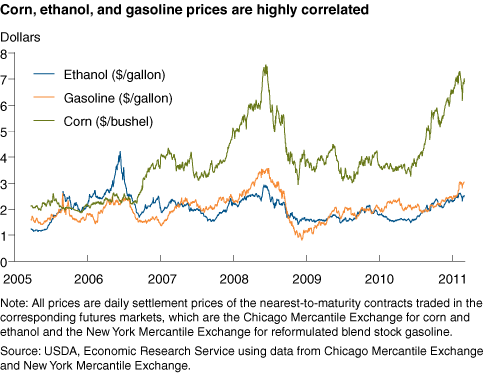
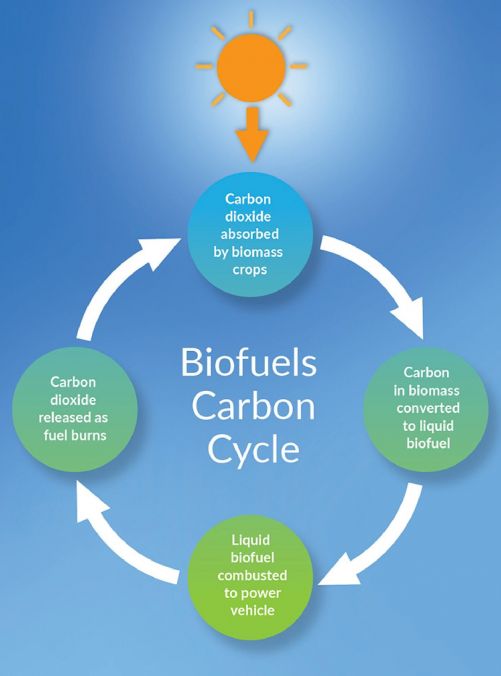
Ethanol's emergence as an alternative fuel holds promise for both economic and environmental gains. Energy experts project that ethanol blending can potentially lower fuel prices by up to Rs 3.50 per liter due to its cost-effectiveness and lower taxation. Moreover, ethanol's reduced carbon footprint compared to traditional fossil fuels contributes to reduced environmental pollution.
Brazil's Success as an Inspirational Model:
As India takes its first steps into the world of ethanol-powered vehicles, it can draw inspiration from Brazil's remarkable success story. Brazil's strategic investment in ethanol production and its transition towards energy independence provide valuable insights for India's evolving journey. While challenges lie ahead, India's commitment to ethanol integration bodes well for a greener and more self-reliant future.
Conclusion:
Ethanol's evolution from a mere agricultural byproduct to a potent alternative fuel is a testament to human ingenuity and determination. Brazil's trailblazing journey towards energy independence through ethanol serves as an exemplar of what can be achieved with strategic planning and resource optimization. As India embraces ethanol to reduce reliance on imported oil and combat environmental concerns, it treads a path that echoes the success of its South American counterpart. With the E20 scheme in motion and ethanol-powered vehicles becoming a reality, India is poised to reshape its energy landscape and contribute to a more sustainable world.

Credits:
Writer - Deepak Yadav
Date - 29 August 2023
In Association With Angelic Valley