
Introduction:
The electric car market is on an unstoppable trajectory, poised to reach a staggering USD 1,381.5 billion by 2032, with an impressive Compound Annual Growth Rate (CAGR) of 20.8%. In 2022, the market was already valued at USD 210.1 billion, and its exponential growth shows no signs of slowing down. This seismic shift in the automotive industry is fueled by a confluence of factors, including environmental concerns, technological advancements, and shifting energy paradigms.
A Sustainable Revolution:
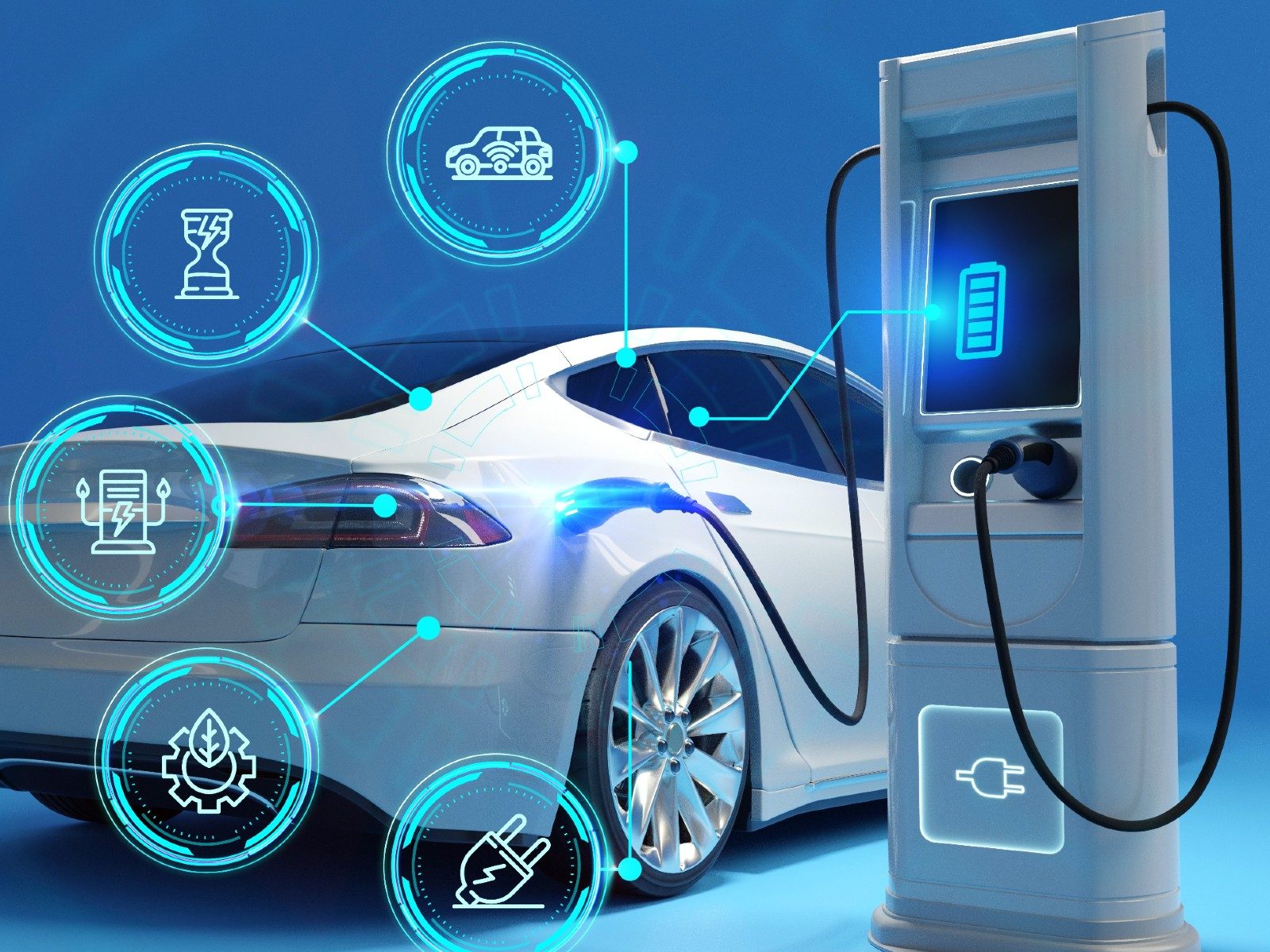
Electric vehicles (EVs) are at the forefront of a global shift towards a more sustainable future. The world is transitioning away from conventional modes of transportation that contribute significantly to environmental pollution. The internal combustion engine, which has dominated the industry for over a century, is now being challenged by the rise of EVs.
EVs have emerged as the vanguard of green mobility, offering a multitude of advantages over their gasoline and diesel counterparts. They boast higher fuel economy, emitting fewer carbon emissions, and providing a quieter, smoother ride. EVs are no longer a niche market; they are rapidly becoming the driving force behind a new era of automotive innovation.
Battling Air Pollution:
Air pollution has reached alarming levels in many countries, prompting concerted efforts to reduce emissions and combat its detrimental effects. Vehicle emissions, particularly from diesel and gasoline-powered cars, are major contributors to this growing crisis. As a result, governments worldwide are exploring various strategies to address the pressing issue of air pollution.
The Oil Market's Impact:
The global oil market is experiencing seismic shifts, and these changes have profound implications for its future demand. The surge in oil prices, exacerbated by events like the Russia-Ukraine conflict, has highlighted the volatility of fossil fuel prices. Additionally, major oil-producing nations like Saudi Arabia, the United Arab Emirates, and Russia have implemented production cuts, further driving up prices.
These fluctuations in the oil market pose significant challenges for both developing and oil-importing countries. The increasing uncertainty in oil prices is driving a growing interest in electric vehicles as a more stable and environmentally friendly alternative to traditional fossil fuel-powered cars.
Market Segmentation:
The electric car market is not monolithic; it's a complex landscape with various segments that cater to diverse consumer needs. Understanding these segments is crucial for grasping the market's dynamics.
Battery Technology: Lithium-Ion Dominance
When it comes to powering electric cars, lithium-ion batteries reign supreme. These batteries are known for their remarkable energy efficiency and impressive performance in high-temperature conditions. Moreover, they are eco-friendly, with 95% of their components being recyclable. This makes them the preferred choice for environmentally-conscious drivers.
Vehicle Types: Hybrid vs. Battery Electric
Hybrid-electric cars currently hold a larger market share compared to battery electric cars. The preference for hybrids is driven by their superior fuel efficiency and lower combustion limits compared to fully petrol-based vehicles. Additionally, hybrid vehicles require less infrastructure support than their battery electric counterparts.
However, the growth of hybrid vehicles is hindered by the limited number of charging stations and infrastructure gaps. Once these obstacles are addressed, the demand for battery electric cars is expected to surge, given their complete fuel independence.
The Asian Surge:
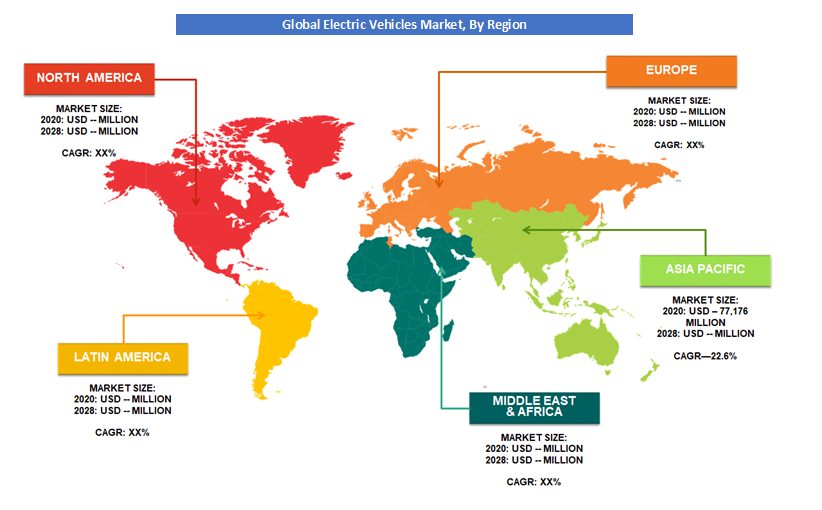
Asia Pacific, with China leading the way, is witnessing an unprecedented surge in electric car demand. China alone accounts for 60% of global electric car sales. Countries like Thailand and Indonesia are also experiencing a significant uptick in demand, especially for hybrid electric vehicles.
This surge in demand can be attributed to various factors, including government subsidies, the imperative to reduce pollution, and rising petrol prices. These conditions create a favorable market environment ripe with opportunities for growth and innovation.

Key Developments and Innovations:
Several notable developments are shaping the electric car market's future:
Mitra Chem's Breakthrough:Silicon Valley's Mitra Chem, an innovative battery materials company employing AI technology, has secured a whopping $60 million in Series B funding. General Motors is leading the funding round, with the goal of advancing the development of cost-effective and efficient EV batteries. These batteries will be compatible with GM's Ultium Platform EV propulsion architecture.
The Future of Bharat: A Beacon of Hope:
As Bharat continues to prioritize sustainable development and active participation in G20 meetings, the future appears exceedingly promising. Bharat's approach serves as a beacon of hope for achieving a sustainable, equitable, and green world. The nation's resolute commitment to environmental planning, renewable energy, and collaboration on global challenges positions it as a frontrunner in the pursuit of a brighter and more sustainable future.
In conclusion, Bharat's strategic plan for sustainable development, its pivotal role in G20 meetings, and its unwavering vision for the future collectively exemplify a nation on the cusp of greatness. The harmonious blend of environmental preservation and economic growth underscores Bharat's dedication to creating a sustainable and prosperous world for present and future generations.

Credits:
Writer - Deepak Yadav
Date - 20 September 2023
In Association With Angelic Valley